If you've got a gravel driveway, you already know its quirks: the dust in summer, the mud in spring, the ruts after every hard rain, and the gravel that keeps migrating toward the ditch. Chip seal fixes all of that — here's the honest comparison so you can decide what's right for your place.
Short answer: gravel is cheapest on day one, but chip seal ends the dust, mud, ruts and washouts — and it goes right over a good gravel base, so you are not starting from scratch. On a steep or washout-prone drive it often comes out cheaper over time.
| Chip seal | Gravel | |
|---|---|---|
| Up-front cost | Higher | Lowest |
| Upkeep | Recurring regrading and fresh stone largely go away | Regrading, fresh stone and dust control year after year |
| Dust and mud | Locked down | Dust in summer, mud in spring |
| Steep grades | Bonded stone stays put and grips | Slides and channels downhill |
| Best for | The driveway you actually live on | Long, lightly used farm or field access roads on a tight budget |
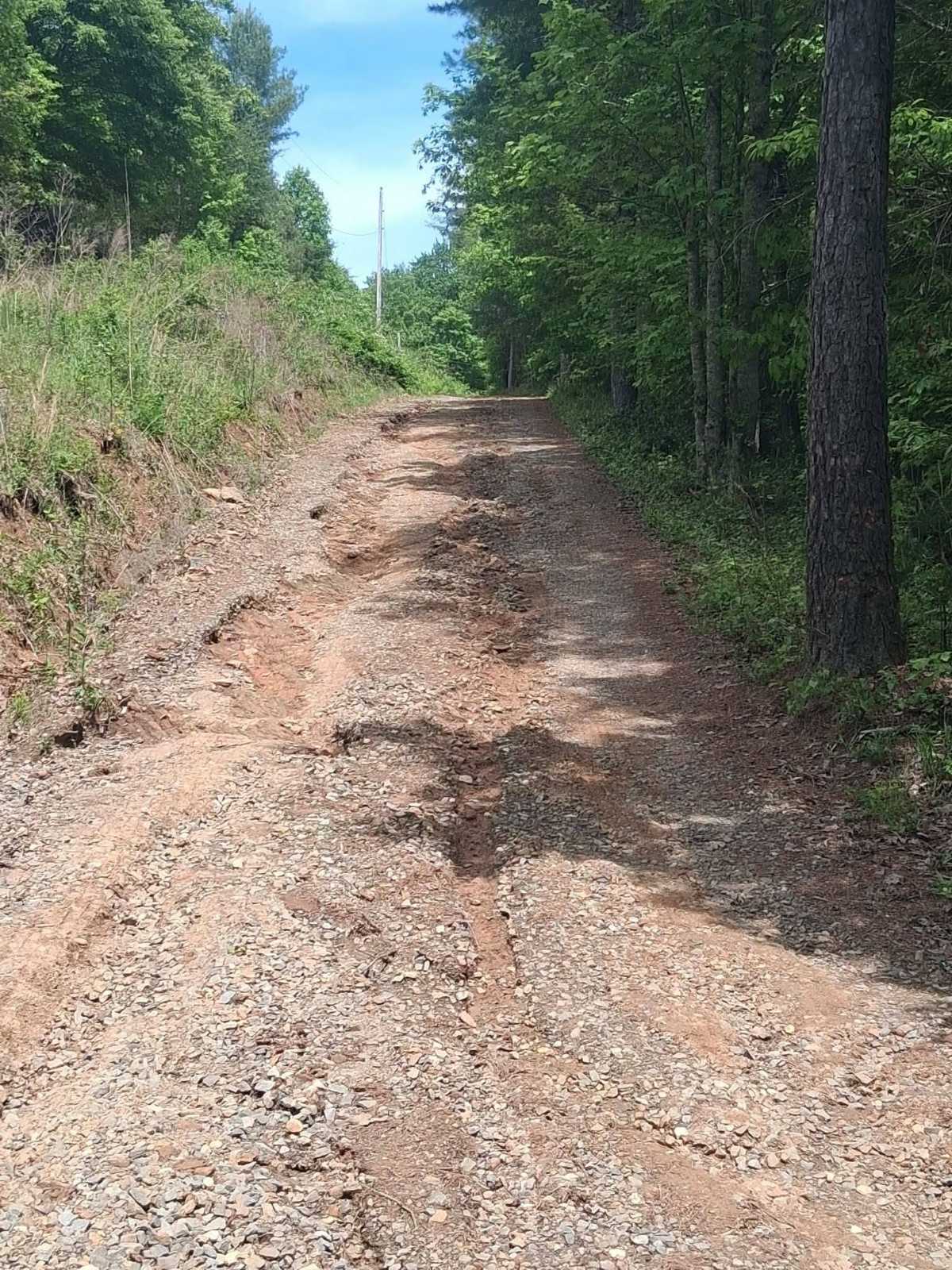
Up-front cost: gravel wins
There's no getting around it — a fresh gravel driveway is the cheapest option on day one. If budget is the only factor and you don't mind the upkeep, gravel has its place.
Cost over time: chip seal pulls ahead
Gravel isn't "buy once." It needs regrading, fresh stone, and dust control year after year, and washouts on a slope can get expensive fast. Chip seal locks the surface down so those recurring costs largely go away. Over several years, the gap narrows — and on a steep or washout-prone drive, chip seal often comes out cheaper overall.
Day-to-day living: no contest
- No more dust coating your house, cars, and lungs every dry spell.
- No more mud tracked inside every wet one.
- No more potholes and ruts to dodge or fill.
- No loose stone spitting up at your paint or sliding under your tires on the hill.
Traction and grade
Loose gravel is notoriously bad on steep grades — it slides and channels downhill. Chip seal's bonded stone surface stays put and gives real traction, which matters on the kind of steep mountain driveways common around here. (More on that in our guide to chip seal for steep driveways.)
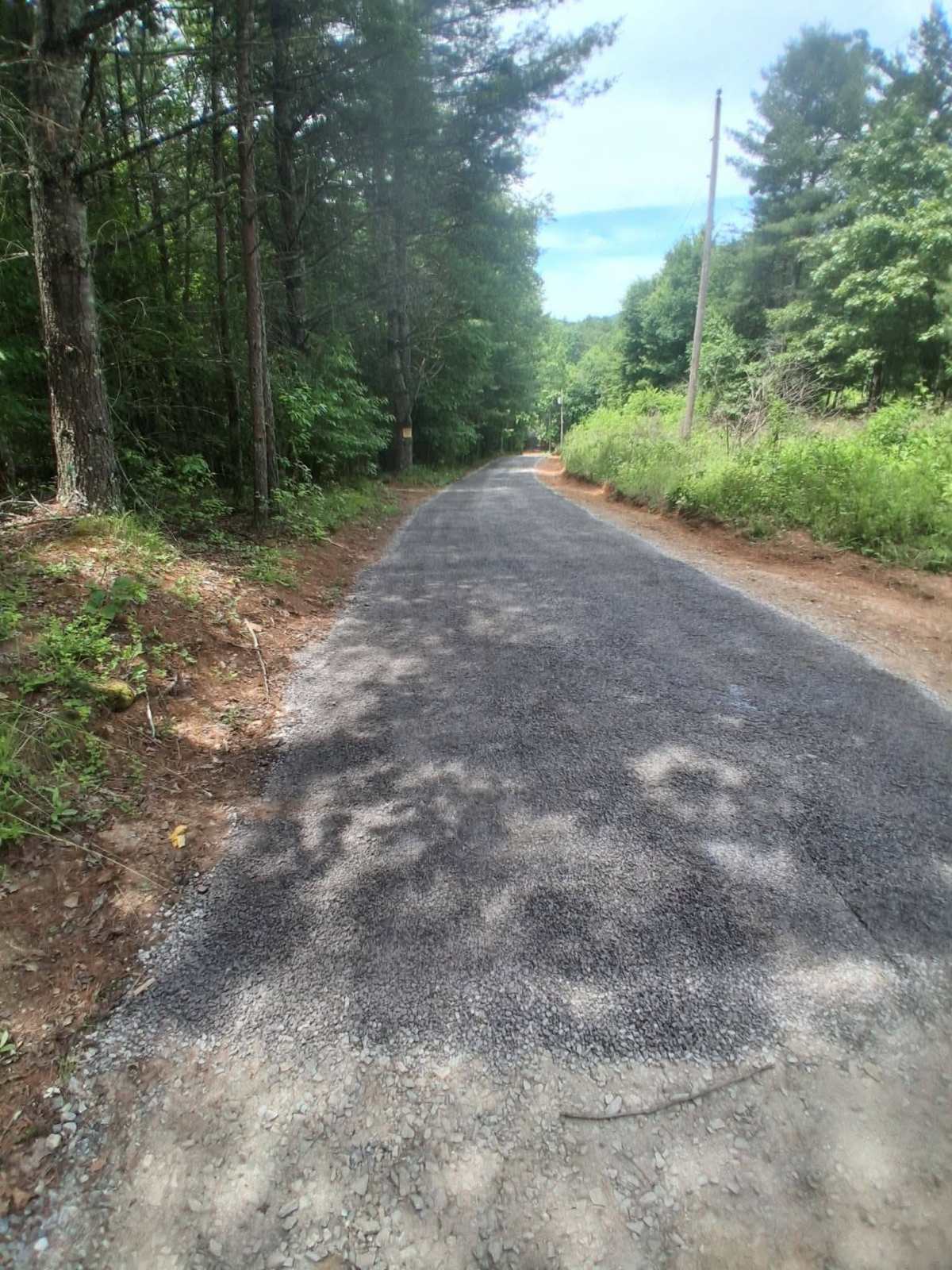
When gravel still makes sense
Very long, lightly used farm or field access roads on a tight budget can be fine in gravel. But for the driveway you actually live on, chip seal is usually the upgrade people wish they'd done years earlier — and it goes right over a good gravel base, so you're not starting from scratch.
Curious what it would take to convert your gravel drive? We give free on-site estimates across Murphy and the whole tri-state corner.
Related: wondering if a sealer works on gravel? See chip seal vs. sealcoating.
New to chip seal? See what it is and how it's built.